One Perfect Stone: The Case for Choosing Depth Over Quantity in Your Jewelry Collection
There is a particular kind of fatigue that settles over even the most enthusiastic luxury consumer — the quiet realization that a drawer full of seasonal purchases has somehow produced nothing of lasting significance. The statement earrings from two springs ago. The layered chain necklace that felt essential for approximately one quarter. The embellished cuff that arrived in a tissue-lined box and departed, unceremoniously, for a consignment platform eighteen months later.
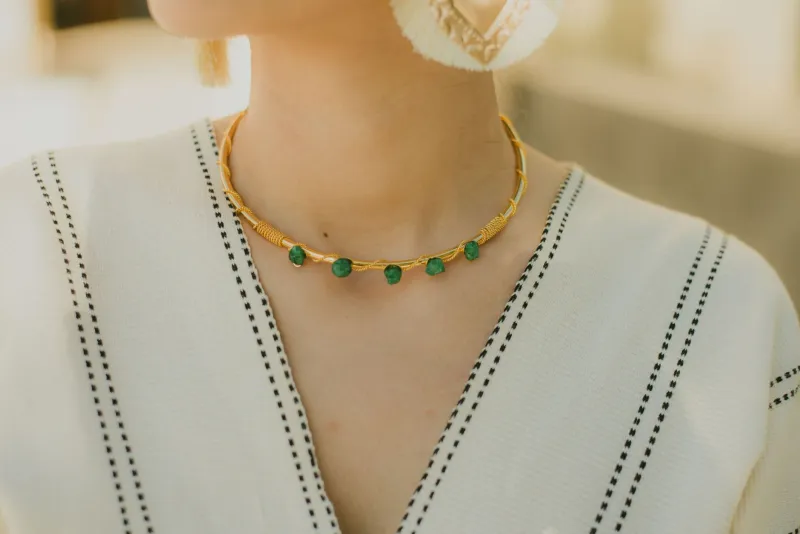
For a discerning cohort of American collectors and style-conscious professionals, the antidote to this cycle is not another acquisition. It is a single, exceptional jade piece — chosen with the seriousness one might bring to acquiring a painting or selecting a wine cellar's anchor bottle. And the argument for this approach, when examined carefully, is far more compelling than mere minimalist philosophy.
The Economics of the Exceptional
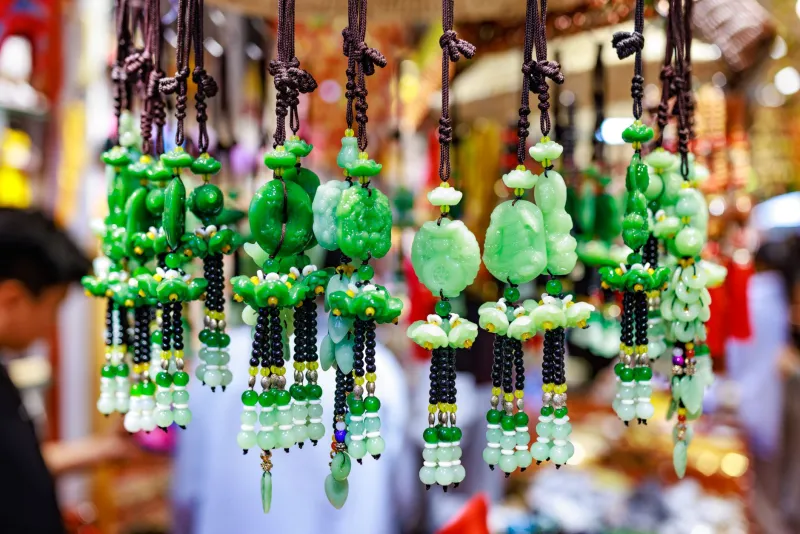
Longtime wealth advisors who work with clients on tangible asset portfolios have begun to speak of fine jade in terms that would once have been reserved for colored diamonds or signed Cartier archive pieces. The reasoning is straightforward: imperial-grade jadeite, the finest variety of jade and the stone most closely associated with the highest tier of the market, has demonstrated consistent appreciation over the past two decades, particularly for pieces with documented provenance and artisanal carving of museum quality.
Contrast this with the trajectory of most luxury fashion accessories. A seasonal handbag from a prestigious European house may retain significant resale value — but only if the style remains culturally relevant, the hardware shows no wear, and the authentication paperwork is intact. Even then, the resale market for fashion accessories is notoriously volatile, subject to the whims of trend cycles and brand reputation shifts that no individual collector can predict or control.
Jade, by contrast, is insulated from trend in a way that few materials can claim. Its value derives not from a creative director's vision or a marketing campaign's reach, but from geological rarity, centuries of cultural significance, and the irreproducible skill of master carvers. These are not factors that expire with the season.
What Personal Stylists Are Telling Their Clients
Among the luxury personal stylists who work with high-net-worth clients across New York, Los Angeles, and Chicago, a quiet consensus has emerged. The clients who present the most coherent, authoritative personal style are rarely those with the most expansive jewelry collections. They are the ones who have made one or two deeply considered acquisitions — pieces that anchor every look with an unmistakable sense of intention.
"There is a visual grammar to exceptional jade that simply cannot be replicated by accumulation," observes one stylist who works with clients in the financial sector across Manhattan. "When a woman walks into a room wearing a single, well-chosen jadeite bangle — imperial green, perfectly carved, perhaps with a history behind it — the effect is immediate and enduring. It communicates taste in a way that three trends worn simultaneously never could."
This observation aligns with what researchers in consumer psychology have long documented: that restraint signals confidence, and confidence is the ultimate luxury signal. A closet full of purchases whispers uncertainty. One extraordinary stone speaks with authority.
The Collector's Perspective
Those who have made the deliberate shift from volume to depth describe the experience in terms that go well beyond the financial. Among collectors interviewed for this piece, a recurring theme emerged: the relationship between a person and a singular, meaningful jade acquisition is qualitatively different from the transactional pleasure of a trend purchase.
One collector based in San Francisco, a former technology executive who began acquiring jade seriously in her early fifties, describes the moment she stopped buying accessories seasonally and invested instead in a single carved jadeite pendant — a piece by a noted American atelier working in the Chinese literati tradition. "I wore it to a board meeting and someone asked me about it for forty minutes," she recalls. "No one has ever asked me about a handbag for forty minutes. The piece opened conversations about history, about craft, about what I valued. That is not something a trend can do."
Another collector, a Dallas-based attorney who began working with a jewelry advisor to build what she calls a "stone wardrobe," puts the matter in deliberately practical terms. "I calculated what I spent in a single year on accessories that I no longer own. The number was significant. I could have purchased something museum-quality. I could have purchased something my daughter would fight over one day. Instead, I have receipts and regret."
Jade as Heirloom Architecture
Perhaps the most persuasive argument for the single exceptional jade acquisition is one that transcends both style and finance: the question of legacy. Fine jade — particularly pieces that have been professionally appraised, documented, and cared for — enters the category of objects that accumulate meaning across generations. They become part of a family's visual and emotional vocabulary in a way that seasonal accessories never can.
This is not a new phenomenon. In Chinese imperial culture, jade pieces were among the most carefully preserved and transmitted objects across dynastic generations. In contemporary America, a growing number of estate attorneys and family wealth advisors are noting that fine gemstone pieces — jade among them — are increasingly being treated as intentional heirlooms rather than incidental ones, with acquisition decisions made with explicit consideration of what the piece will mean to the next generation.
For collectors building what might be called heirloom architecture — a deliberate selection of objects intended to carry meaning forward — jade offers something that few other materials can match: the simultaneous presence of geological rarity, cultural depth, artisanal irreproducibility, and aesthetic timelessness.
Making the Edit
For those persuaded by this argument but uncertain where to begin, the guidance from both stylists and collectors is consistent: resist the impulse to start with something modest. The logic of the singular acquisition demands that the piece in question be genuinely exceptional — not a stepping stone toward something better, but the thing itself.
This means prioritizing jadeite over nephrite for those seeking the highest tier of the market, seeking pieces with documented provenance, and working with jewelers or ateliers who can speak with authority about the stone's origin, grade, and carving history. It means, in short, treating the acquisition with the seriousness it deserves — as one would approach any significant investment in something rare and enduring.
The wardrobe full of trends will always be available. It will always promise relevance and deliver something considerably less. The exceptional jade piece, by contrast, asks for patience, discernment, and a willingness to choose depth over breadth. For those who make that choice, the rewards — aesthetic, financial, and personal — tend to compound in ways that no seasonal purchase ever could.
One stone. Chosen well. That is the edit.