Learning to See: How a New Generation of American Collectors Is Redefining Jade Connoisseurship
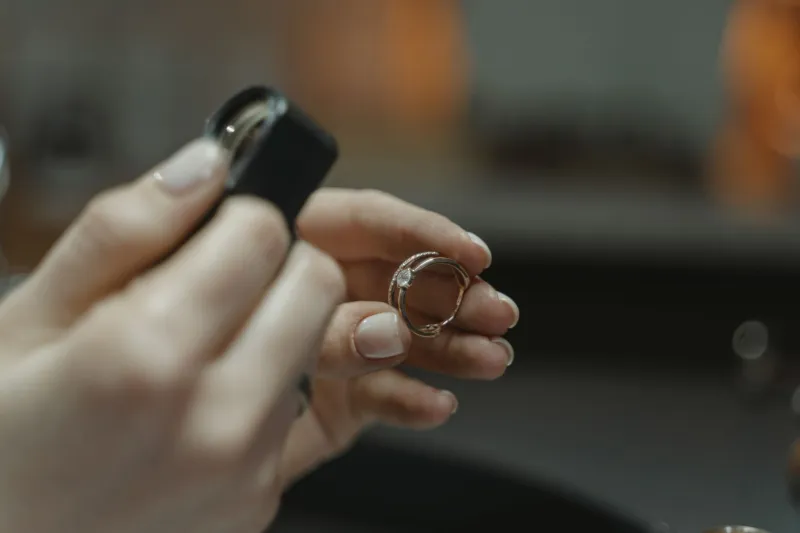
There is a particular moment that experienced jade collectors describe with striking consistency — a moment when the stone ceases to be merely beautiful and begins to communicate. The translucency of a fine jadeite cabochon becomes legible. The subtle variation in a nephrite's surface texture carries meaning. Color stops being decoration and starts being data. Reaching this threshold, collectors often say, is less a matter of study than of sustained, guided looking.
For much of the twentieth century in the United States, that guidance was largely informal, passed between family members in immigrant communities or absorbed slowly through decades of auction attendance and dealer relationships. Today, something different is underway. A distinct cohort of Americans under forty — many of them financially established in technology, finance, and the creative industries — is entering the jade market with a level of deliberate intent that is reshaping how expertise is acquired and what it ultimately looks like.
The Educated Entry Point
Amanda Shou, thirty-four, spent two years researching jade before making her first significant purchase. A product strategist based in San Francisco, she approached the stone the way she approaches any complex system: by mapping its variables. She read gemological texts, attended lectures at the Asian Art Museum, and cultivated a relationship with a San Francisco dealer who was willing to let her handle pieces without any immediate obligation to buy.
"I was not interested in being told what was beautiful," she explains. "I wanted to understand why something was considered exceptional, and whether I agreed. That took time and a lot of patient looking."
Her experience is increasingly representative. Where earlier generations of American jade collectors often entered the market through inheritance or happenstance — a gift, a travel acquisition, a chance encounter at an estate sale — today's emerging collectors are arriving with frameworks already in place. They have done the reading. They have watched the auction results. And they are asking their dealers questions that, a decade ago, might have been considered unusually technical for a first-time buyer.
The Role of the Mentor
For many in this cohort, formal self-education is only the beginning. The deeper formation comes through mentorship — a relationship with an experienced collector, specialist, or dealer who is willing to share not just information but judgment.
David Hecht, a forty-one-year-old private equity professional in New York, describes his entry into serious jade collecting as inseparable from his relationship with a retired gemologist who had spent decades sourcing material in Southeast Asia. "He did not tell me what to buy," Hecht recalls. "He told me what questions to ask. That is a completely different thing."
This distinction — between receiving answers and learning to interrogate — appears frequently in conversations with emerging collectors. The mentorship model that has long governed jade connoisseurship in East Asian collecting communities is finding new expression among American buyers who may not share those cultural roots but recognize the value of experiential transmission.
Museums are increasingly formalizing this process. The Freer Gallery of Art in Washington, D.C., and the Asian Art Museum in San Francisco both offer programming that moves beyond passive exhibition toward active engagement with material. Study rooms, where visitors can examine objects in hand, have become particularly valued by collectors seeking to develop tactile literacy alongside visual discernment.
Digital Communities and the Democratization of Expertise
Beyond physical institutions, a parallel education is taking place online. Private collector forums, specialist social media accounts, and curated digital communities are making sophisticated jade discourse accessible in ways that were simply not possible two decades ago. High-resolution photography has improved to the point where meaningful visual analysis can occur across screens, though experienced collectors are quick to note its limits.
"A photograph can show you color and general form," notes one New York-based dealer who has observed the generational shift closely. "It cannot show you how a stone moves in light, and it cannot replace the experience of holding something and feeling its weight. But it has absolutely expanded the number of people who arrive at my door already knowing what they are looking at."
This democratization of information has not, notably, democratized access to the finest material. If anything, younger collectors with developed knowledge are competing more effectively for exceptional pieces — which has, by some accounts, intensified competition at the upper end of the market.
A Different Aesthetic Intelligence
What distinguishes this emerging cohort is not merely how they learn, but what they value once they have learned. Several dealers and auction specialists observe that younger American collectors tend to be less deferential to historical hierarchies of taste and more willing to form independent aesthetic positions.
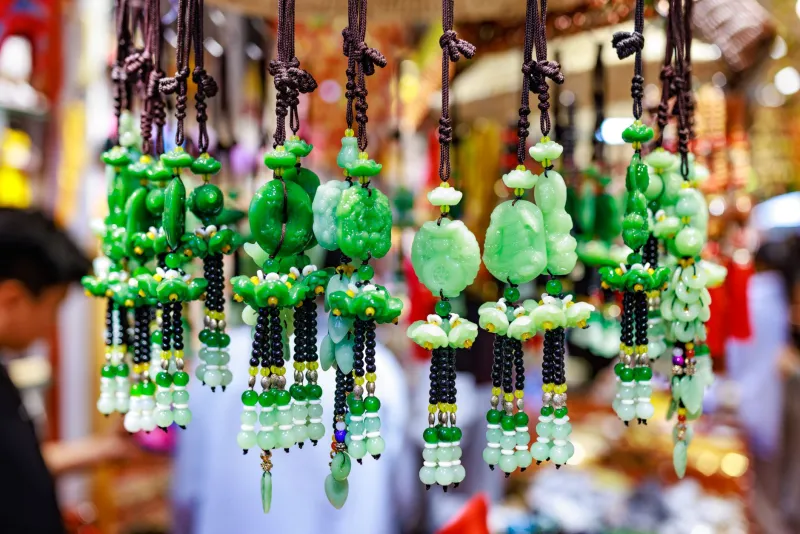
Where an earlier generation might have prioritized imperial green jadeite as the unquestioned apex of the form, younger buyers are showing genuine enthusiasm for lavender jadeite, for archaic nephrite carvings, for pieces that combine exceptional material with conceptually interesting contemporary settings. They are, in the language of one specialist, "collecting with their own eyes rather than with received opinion."
This independence is not recklessness. The most serious among them understand that the market for unconventional choices carries its own risks, and they are applying the same rigorous analysis to resale considerations that they bring to initial acquisition. What has changed is the starting point: aesthetic conviction rather than inherited preference.
What This Means for the Market
The emergence of a knowledgeable, independent, and financially capable younger collector base carries significant implications for the American jade market over the next two decades. Dealers who have long relied on established relationships with older collectors are increasingly investing in educational programming and transparent communication as tools for cultivating the next generation of clients.
Auction houses have taken note as well. The growing participation of younger bidders in jade sales — both in room and online — is influencing how specialists present material, with a greater emphasis on provenance documentation, gemological certification, and contextual narrative.
For those who care about jade's long-term cultural standing in the United States, the development is an encouraging one. A collecting tradition sustained only by inheritance is fragile. One renewed by genuine, hard-won connoisseurship — by people who have chosen to learn to see, rather than simply been told what to admire — has the foundation to endure.